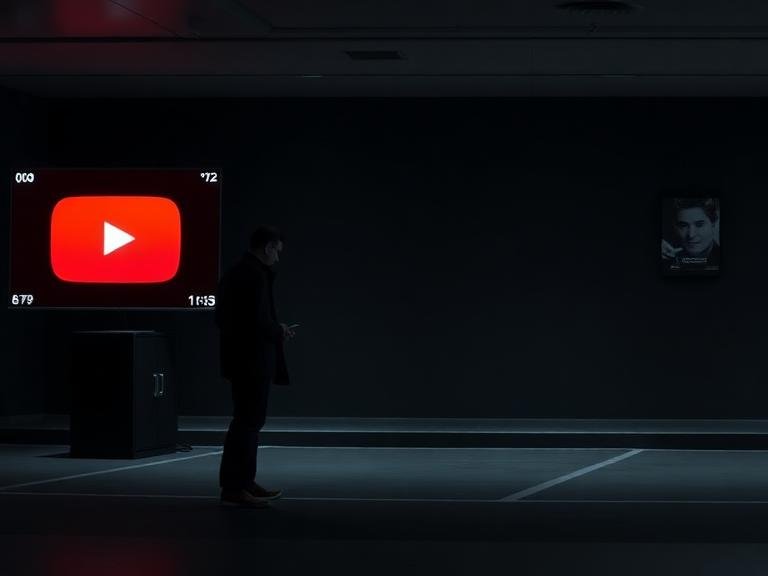
The YouTube Shorts algorithm has become one of the most sophisticated recommendation systems in social media. Unlike traditional search engines that primarily rank content based on keywords, YouTube focuses on predicting which videos each individual viewer is most likely to enjoy. Every swipe, pause, replay, like, comment, share, or subscription provides valuable signals that help the platform personalize recommendations. Instead of pushing every new Short to millions of people immediately, YouTube begins by showing it to a relatively small audience. If that audience watches the video instead of swiping away, replays it, or interacts positively, YouTube expands its reach to larger groups of viewers with similar interests.
This recommendation system means creators are no longer competing solely against other channels in their niche. Every Short competes against every other piece of content available at that moment. Whether someone watches your cooking tutorial, gaming clip, motivational speech, or travel vlog depends on how effectively your content captures attention and maintains interest. According to YouTube’s official documentation, recommendations are driven primarily by viewer behavior and satisfaction rather than by tricks such as keyword stuffing or excessive hashtag usage. Understanding this principle is the foundation for building a successful Shorts strategy because it shifts your focus from “gaming the algorithm” to creating videos that audiences genuinely enjoy.
What Makes Shorts Different from Long-Form Videos
Although both Shorts and traditional YouTube videos exist on the same platform, they operate within different viewing experiences. Long-form videos usually depend on search results, suggested videos, browse features, and subscriber notifications. Shorts, on the other hand, are consumed in an endless vertical feed where viewers can instantly swipe to the next video. This creates a highly competitive environment in which creators have only a few seconds to convince viewers to stay. The algorithm continuously measures whether users continue watching or abandon the content almost immediately.
The viewing metrics also differ significantly. A ten-minute video may be considered successful with a respectable average watch duration, while a twenty-second Short often performs best when viewers watch nearly all of it or replay it multiple times. Every replay sends a strong signal that the content is entertaining or informative enough to watch again. YouTube has publicly emphasized that Shorts recommendations rely heavily on signals such as watch history, viewing preferences, and audience satisfaction instead of simplistic ranking factors. As a result, creators should focus less on manipulating metadata and more on maximizing audience retention from the very first second.
Why the Algorithm Matters for Every Creator
One of the biggest advantages of YouTube Shorts is that the recommendation system gives new creators a genuine opportunity to reach large audiences without an established subscriber base. A brand-new channel with zero subscribers can produce a Short that reaches hundreds of thousands—or even millions—of viewers if the content consistently generates positive viewer signals. This democratized distribution model has allowed countless creators to grow rapidly by publishing engaging Shorts that resonate with specific audiences.
The algorithm also provides valuable feedback through YouTube Analytics. Metrics such as average percentage viewed, viewer retention, watch versus swipe rate, likes, comments, shares, and subscriptions generated reveal how audiences respond to your content. Rather than chasing viral success with every upload, successful creators analyze these indicators to identify patterns. They discover which hooks retain viewers, which storytelling techniques encourage rewatches, and which topics consistently produce higher engagement. Over time, this data-driven approach helps channels build momentum while maintaining consistent quality.
How the YouTube Shorts Algorithm Works
Personalized Recommendations
The most important concept to understand is that there is no single universal YouTube Shorts feed. Every user experiences a personalized stream of videos based on individual interests and behavior. If someone regularly watches fitness content, the algorithm gradually recommends more workout clips, nutrition tips, and health-related Shorts. Another viewer who frequently watches technology reviews will receive an entirely different feed. This personalization explains why two people opening the Shorts feed simultaneously rarely see the same sequence of videos.
YouTube gathers thousands of behavioral signals to determine these recommendations. Viewing history, search activity, subscriptions, previous interactions, language preferences, device settings, and watch duration all contribute to building a viewer profile. When a new Short is uploaded, the system attempts to match it with audiences most likely to enjoy it. If those viewers demonstrate positive engagement, the recommendation engine expands distribution further. This cycle continues until viewer interest begins to decline. Rather than rewarding channels simply because they are large, the algorithm continuously evaluates how individual videos perform among targeted audiences.
Watch Behavior and Swipe Decisions
One of the strongest indicators in the Shorts ecosystem is whether viewers choose to continue watching or immediately swipe to another video. This simple action provides immediate feedback regarding the effectiveness of your opening seconds. If a large percentage of viewers leave almost instantly, YouTube interprets the content as less engaging for that audience segment. On the other hand, if viewers stay, complete the Short, or replay it, the algorithm receives strong evidence that the content deserves broader exposure.
Creators often underestimate how quickly viewers make decisions. In many cases, users determine whether to continue watching within the first two or three seconds. Successful Shorts therefore begin with an intriguing question, surprising visual, unexpected statement, or emotionally compelling moment that creates curiosity. Instead of slowly introducing a topic, high-performing creators immediately deliver value or establish tension. This approach reduces swipe rates while increasing retention, two metrics that significantly influence future recommendations.
Viewer Satisfaction Signals
Watch time alone does not fully explain YouTube’s recommendation system. Viewer satisfaction has become an increasingly important component of content distribution. YouTube evaluates numerous engagement signals that indicate whether viewers genuinely appreciated a video after watching it. These include likes, comments, shares, subscriptions generated, and even whether viewers continue watching additional content from the same creator. Positive interactions suggest that the Short provided meaningful entertainment, education, or inspiration.
Equally important are indirect satisfaction signals. If viewers repeatedly return to your channel, binge-watch multiple Shorts, or transition into your long-form videos, YouTube recognizes that your content creates lasting value rather than temporary curiosity. This holistic evaluation encourages creators to build authentic relationships with audiences instead of chasing superficial metrics. Sustainable growth comes from consistently satisfying viewers, which naturally encourages stronger engagement over time.
The Most Important Ranking Factors
Average Percentage Viewed
Among all measurable metrics, Average Percentage Viewed (APV) remains one of the strongest indicators of Shorts performance. APV measures how much of your video viewers watch on average. Because Shorts are relatively short, even small differences can have a substantial impact on distribution. A fifteen-second Short that most viewers watch completely often performs better than a sixty-second video where audiences abandon halfway through.
High APV demonstrates that your storytelling remains engaging from beginning to end. Every unnecessary pause, repetitive explanation, or slow transition creates opportunities for viewers to swipe away. Effective creators therefore edit aggressively, removing every second that fails to contribute to the overall experience. Fast pacing does not necessarily mean chaotic editing; instead, it means ensuring that each moment either entertains, educates, surprises, or advances the story. By consistently improving average percentage viewed, creators increase the likelihood that YouTube will recommend their content to broader audiences.
Rewatches and Audience Retention
One of the strongest indicators that a Short deserves wider distribution is rewatch behavior. When viewers intentionally or naturally watch a video more than once, YouTube interprets that as a sign that the content is valuable, entertaining, or packed with information. Rewatches often occur because the video is fast-paced, contains an unexpected ending, or delivers several useful tips that viewers want to review. Even though YouTube doesn’t publicly rank videos based on a single “rewatch score,” repeated viewing contributes to overall watch time and audience satisfaction, both of which are important recommendation signals.
Retention also extends beyond simply reaching the end of a video. The algorithm looks at where viewers lose interest. If many users leave at the five-second mark, that’s a clue that the opening failed to capture attention. If viewers consistently stay until the last second, your storytelling structure is working effectively. This is why many successful creators design their Shorts with a compelling beginning, an engaging middle, and a satisfying payoff at the end. Every second should either answer a question, build curiosity, or deliver value.
Improving retention often requires careful editing rather than producing more content. Removing unnecessary pauses, using captions, changing camera angles, and maintaining a steady pace can dramatically improve viewer retention. The goal isn’t to overwhelm viewers with rapid edits but to eliminate moments where attention naturally drifts. A concise, focused Short almost always outperforms one that stretches a simple idea too long.
Engagement Beyond Likes
Many creators obsess over likes, believing they’re the primary factor in YouTube’s recommendation system. While likes are certainly positive engagement signals, they’re only one piece of a much larger puzzle. Comments, shares, subscriptions, and viewers returning for additional videos all contribute to how YouTube evaluates content quality.
Comments are particularly valuable because they indicate that viewers were engaged enough to participate in a conversation. Asking thoughtful questions, encouraging opinions, or presenting interesting facts can naturally generate discussions without resorting to clickbait. Shares are another powerful signal because viewers typically recommend content they genuinely find useful, funny, or inspiring.
Subscriptions generated from a Short also matter. When viewers choose to subscribe after watching, it suggests your content offers long-term value rather than a one-time moment of entertainment. YouTube aims to recommend videos that keep users satisfied over time, making subscriber conversion an indirect indicator of quality.
Common Myths About the Shorts Algorithm
Do Hashtags Really Help?
Hashtags can help categorize content, but they are not a magic solution for gaining views. Many creators believe adding dozens of trending hashtags will automatically boost visibility. In reality, YouTube primarily recommends Shorts based on viewer behavior and personalization rather than hashtag volume.
Using one to three relevant hashtags can help provide context, especially for niche topics. However, stuffing descriptions with unrelated trending tags may confuse viewers and provide little benefit. Your title, visuals, and content quality have a much greater impact than excessive hashtag use.
Does Uploading More Always Increase Views?
Consistency is important, but quantity alone does not guarantee success. Uploading several low-quality Shorts every day is less effective than publishing fewer videos that consistently deliver value. The algorithm evaluates each Short individually, meaning one exceptional upload can outperform dozens of average ones.
A sustainable publishing schedule allows creators to maintain quality while continuously learning from analytics. Whether you upload daily, three times a week, or weekly, consistency combined with improvement is more important than sheer volume.
How to Create Shorts That the Algorithm Loves
Hook Viewers Within Three Seconds
The first few seconds determine whether viewers continue watching or swipe away. Strong hooks immediately spark curiosity, present an unexpected fact, ask an intriguing question, or show the final result before explaining the process.
Examples include:
- “Most creators make this mistake…”
- “Watch what happens in five seconds…”
- “I tested this for 30 days…”
These openings encourage viewers to stay because they create a knowledge gap that the audience wants to fill.
Keep Every Second Valuable
Successful Shorts rarely waste time. Every scene should either educate, entertain, inspire, or build anticipation. If a clip doesn’t contribute to the story, remove it.
Consider using:
- Quick visual transitions
- Clear captions
- Dynamic camera angles
- Background music that supports the mood
- Concise narration
Remember, simplicity often performs better than unnecessary complexity.
Best Posting Practices for More Views
Although there is no universal “best time” to upload, publishing when your audience is most active can improve early performance. Early engagement gives YouTube more data to evaluate how viewers respond to your content.
Use YouTube Analytics to identify when your viewers are online. Test different posting times over several weeks and compare metrics such as impressions, average view duration, and engagement. Patterns will emerge that are specific to your audience rather than relying on generic recommendations found online.
Creators should also avoid deleting and re-uploading Shorts simply because they don’t perform well within the first few hours. Some Shorts gain momentum gradually as YouTube identifies the right audience.
Leveraging AI and Personalization in 2026
YouTube’s recommendation systems continue to evolve with increasingly advanced machine learning models. Rather than relying on fixed ranking formulas, the platform continuously learns from billions of viewer interactions to personalize recommendations. This means creators should focus on producing content that consistently satisfies a clearly defined audience instead of trying to exploit temporary algorithm trends.
Personalization also rewards niche expertise. A channel dedicated to photography tips, home workouts, or productivity hacks can build a loyal audience because YouTube becomes increasingly confident about who enjoys that content. Consistency in topic and quality helps the algorithm better understand your channel and recommend it to viewers with similar interests.
Comparison Table: Key YouTube Shorts Ranking Factors
| Ranking Factor | Importance | Why It Matters | Optimization Tip |
|---|---|---|---|
| Average Percentage Viewed | Very High | Indicates viewers stay engaged | Keep videos concise and engaging |
| Viewer Retention | Very High | Shows where viewers lose interest | Improve pacing and editing |
| Watch vs. Swipe Rate | Very High | Measures first impressions | Create stronger hooks |
| Rewatches | High | Signals valuable content | Add surprising or informative moments |
| Comments | High | Encourages community engagement | Ask meaningful questions |
| Shares | High | Expands organic reach | Create highly useful or entertaining content |
| Likes | Medium | Indicates appreciation | Deliver consistent quality |
| Subscribers Gained | Medium | Suggests long-term value | Build trust through consistent uploads |
| Posting Consistency | Medium | Helps audience expectations | Maintain a realistic schedule |
| Hashtags | Low | Provides content context | Use only relevant hashtags |
Conclusion
The YouTube Shorts algorithm is not designed to reward shortcuts or viral tricks—it is built to identify content that viewers genuinely enjoy. Every swipe, replay, comment, and subscription helps the platform understand what audiences want to watch. Creators who prioritize audience satisfaction over algorithm myths are far more likely to achieve sustainable growth.
The most successful Shorts combine compelling storytelling, strong visual presentation, and clear value within the first few seconds. They keep viewers engaged until the end, encourage interaction naturally, and leave audiences wanting more. Rather than chasing every new trend, focus on understanding your audience, studying your analytics, and improving with every upload.
Growth on YouTube Shorts is rarely the result of one viral video. It comes from consistent experimentation, continuous learning, and creating content that solves problems, entertains, or inspires. As YouTube’s recommendation systems become increasingly personalized, authenticity and quality remain the most reliable long-term strategies for reaching more viewers.
Frequently Asked Questions (FAQs)
1. How long should a YouTube Short be for maximum views?
There is no perfect length, but Shorts between 15 and 35 seconds often achieve high completion rates when the content is concise and engaging. The ideal length depends on delivering complete value without unnecessary filler.
2. Do hashtags increase YouTube Shorts views?
Hashtags can help categorize content, but they are a minor ranking factor. Viewer behavior, retention, and satisfaction have a much greater influence on recommendations.
3. How often should I upload YouTube Shorts?
Consistency is more important than frequency. Choose a schedule you can maintain while producing high-quality content, whether that’s daily, several times a week, or weekly.
4. Why did my YouTube Short suddenly stop getting views?
Many Shorts experience fluctuations in distribution as YouTube tests them with different audiences. Changes in viewer interest, competition, and engagement can all affect performance over time.
5. Can a new YouTube channel go viral with Shorts?
Yes. New creators regularly achieve significant reach because the Shorts recommendation system evaluates each video based on viewer response rather than subscriber count. High-quality content with strong retention and audience satisfaction can earn substantial visibility regardless of channel size.