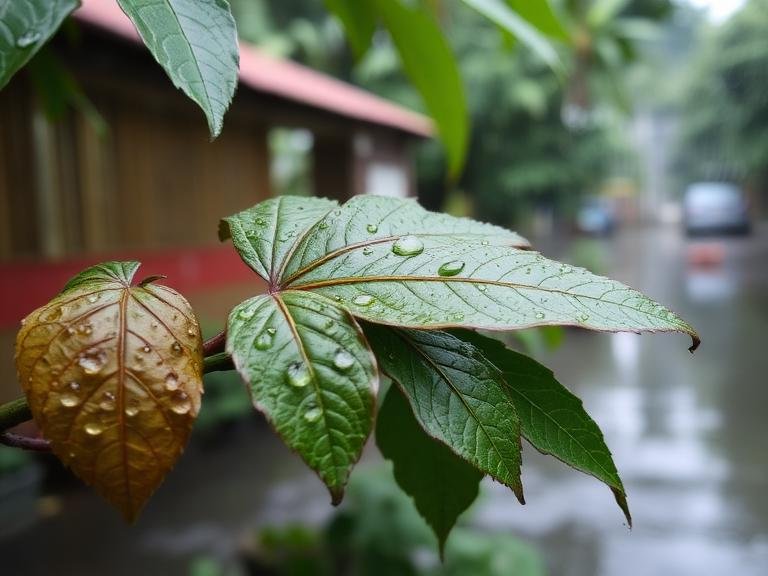
The arrival of the monsoon season brings much-needed relief from scorching summer temperatures, but it also introduces a wide range of health challenges. Increased humidity, stagnant water, contaminated food, and the rapid spread of bacteria, viruses, and mosquitoes create ideal conditions for diseases to flourish. Illnesses such as dengue, malaria, typhoid, cholera, influenza, and fungal infections become significantly more common during the rainy months. Health organizations around the world consistently recommend preventive hygiene, safe drinking water, mosquito control, and a balanced diet as the most effective ways to reduce seasonal illnesses.
Fortunately, staying healthy during the rainy season doesn’t require expensive treatments or complicated routines. A combination of smart daily habits, proper nutrition, regular exercise, and maintaining cleanliness can dramatically lower your risk of infection. Whether you’re commuting to work, attending school, or simply enjoying the refreshing weather, following practical health precautions will help you make the most of the season without compromising your well-being.
This comprehensive guide covers 25 essential monsoon health tips, explains common rainy-season diseases, highlights immunity-boosting foods, and answers the most frequently asked questions about staying healthy throughout the monsoon.
Why the Monsoon Season Demands Extra Health Precautions
Monsoon weather creates an environment where harmful microorganisms multiply quickly. Warm temperatures combined with high humidity encourage bacterial and fungal growth on food, clothing, and household surfaces. Pools of stagnant water become ideal breeding grounds for mosquitoes responsible for transmitting diseases such as dengue and malaria. Even drinking water sources may become contaminated after heavy rainfall, increasing the likelihood of gastrointestinal infections.
Humidity also affects the human body in subtle ways. Excessive sweating combined with damp clothing can trigger fungal infections, skin allergies, and unpleasant body odor. Respiratory conditions like asthma and seasonal allergies may worsen because of mold spores and increased moisture in the air. Individuals with weakened immune systems, children, pregnant women, and older adults are particularly vulnerable during this period.
The encouraging news is that many rainy-season illnesses are preventable. By adopting healthy habits before symptoms appear, you can significantly reduce your chances of getting sick and enjoy the season comfortably.
25 Essential Monsoon Health Tips
1. Drink Safe and Purified Water
Always consume filtered, boiled, or purified water. Contaminated water is one of the leading causes of waterborne illnesses such as typhoid, cholera, and diarrhea during the rainy season.
2. Wash Your Hands Frequently
Wash your hands thoroughly with soap before eating, after using the restroom, and after returning home. Good hand hygiene remains one of the simplest yet most effective ways to prevent infections.
3. Eat Freshly Cooked Food
Freshly prepared meals are far safer than leftovers stored for long periods. Bacteria multiply rapidly in warm and humid conditions, increasing the risk of food poisoning.
4. Avoid Street Food
Street food may be exposed to contaminated water, flies, and poor hygiene practices during monsoon. Choosing home-cooked meals significantly reduces digestive problems.
5. Boost Your Immunity Naturally
Include foods rich in vitamins C, D, zinc, antioxidants, and probiotics. Citrus fruits, yogurt, turmeric, ginger, garlic, almonds, and green vegetables help strengthen your immune system.
6. Stay Hydrated
Many people drink less water because the weather feels cooler. Your body still requires adequate hydration for digestion, circulation, and temperature regulation.
7. Wear Dry and Breathable Clothing
Wet clothes create favorable conditions for fungal infections and skin irritation. Choose lightweight cotton fabrics and change damp clothing immediately.
8. Prevent Mosquito Breeding
Empty flower pots, buckets, coolers, and containers holding stagnant water. Use mosquito nets, repellents, and window screens for additional protection.
9. Keep Your Home Clean and Dry
Regularly disinfect bathrooms, kitchens, and damp corners where mold can develop. Proper ventilation reduces indoor humidity.
10. Exercise Regularly Indoors
When outdoor activities become difficult because of heavy rain, continue staying active with yoga, stretching, bodyweight exercises, or indoor cardio workouts.
11. Get Enough Sleep
Quality sleep allows your immune system to recover and function efficiently, reducing susceptibility to infections.
12. Eat Seasonal Fruits Carefully
Wash fruits thoroughly before eating, and avoid cut fruits sold in open markets.
13. Maintain Oral Hygiene
Brush twice daily and rinse after meals to reduce bacterial growth.
14. Avoid Walking Barefoot
Rainwater often contains bacteria, fungi, and harmful chemicals that can infect small cuts on your feet.
15. Dry Shoes Completely
Wet footwear encourages fungal infections and unpleasant odors.
16. Keep Nails Short and Clean
Dirt and germs easily accumulate beneath long fingernails.
17. Include Herbal Drinks
Warm ginger tea, turmeric milk, and herbal infusions may support immunity and soothe sore throats.
18. Avoid Excessive Fried Foods
Heavy, oily foods can slow digestion and increase stomach discomfort during humid weather.
19. Practice Food Safety
Store perishable foods properly and refrigerate leftovers promptly.
20. Clean Fresh Vegetables Thoroughly
Wash leafy greens carefully to remove mud, bacteria, and pesticide residues.
21. Keep Your Surroundings Hygienic
Dispose of garbage regularly and prevent water accumulation around your property.
22. Monitor Children Closely
Children are more vulnerable to infections because they frequently play outdoors.
23. Protect Pets
Ensure pets stay dry and receive regular veterinary care to prevent seasonal infections.
24. Seek Medical Attention Early
Persistent fever, vomiting, diarrhea, or severe body aches should never be ignored.
25. Stay Updated with Vaccinations
Discuss recommended vaccines with your healthcare provider, especially if you belong to a high-risk group or are traveling.
Common Monsoon Diseases and Prevention
| Disease | Cause | Common Symptoms | Prevention |
|---|---|---|---|
| Dengue | Mosquito bite | High fever, body pain, rash | Prevent mosquito breeding, use repellents |
| Malaria | Mosquito bite | Fever, chills, sweating | Mosquito nets, insect repellents |
| Typhoid | Contaminated food/water | Fever, stomach pain | Safe food and clean drinking water |
| Cholera | Contaminated water | Severe diarrhea | Drink purified water |
| Viral Flu | Airborne viruses | Fever, cough, sore throat | Hand hygiene, healthy immunity |
| Fungal Infections | Excess moisture | Itching, redness | Keep skin dry |
Healthy Foods to Eat During the Rainy Season
Nutrition becomes even more important during the monsoon because your immune system works harder to fight infections. Focus on balanced meals rich in vitamins, minerals, protein, and antioxidants. Warm soups made with vegetables provide hydration and nourishment while being easy to digest. Whole grains, lean proteins, legumes, and healthy fats support overall wellness and sustained energy.
Some of the best foods for the rainy season include citrus fruits, apples, pomegranates, cooked leafy vegetables, yogurt, ginger, garlic, turmeric, oats, eggs, nuts, seeds, and lentils. Herbal teas can also provide comfort while helping maintain hydration. At the same time, limit sugary drinks, undercooked seafood, and foods that have been left uncovered for extended periods.
Conclusion
The monsoon season offers cooler temperatures, lush greenery, and refreshing rainfall, but it also increases the risk of infectious diseases and seasonal health concerns. Fortunately, prevention remains the strongest defense. Following these 25 essential monsoon health tips can significantly reduce your chances of contracting waterborne, foodborne, mosquito-borne, and fungal infections.
Simple habits such as drinking purified water, maintaining personal hygiene, eating nutritious meals, preventing mosquito breeding, staying physically active, and seeking prompt medical care when symptoms appear can make an enormous difference. By taking proactive measures every day, you can enjoy the beauty of the rainy season while protecting yourself and your family from avoidable illnesses.
Frequently Asked Questions
1. What diseases are most common during the monsoon?
The most common illnesses include dengue, malaria, typhoid, cholera, influenza, food poisoning, diarrhea, and fungal skin infections.
2. Which foods help improve immunity during the rainy season?
Vitamin C-rich fruits, yogurt, garlic, ginger, turmeric, leafy vegetables, nuts, seeds, and protein-rich foods are excellent immunity boosters.
3. Is it safe to eat street food during the monsoon?
It is generally better to avoid street food because contaminated water and poor hygiene can increase the risk of foodborne diseases.
4. How can I prevent mosquito-borne diseases?
Eliminate stagnant water, wear long-sleeved clothing, use mosquito repellents, install window screens, and sleep under mosquito nets if necessary.
5. Why is drinking enough water important during the rainy season?
Even though temperatures are lower, your body still needs adequate hydration for healthy digestion, circulation, detoxification, and immune function.